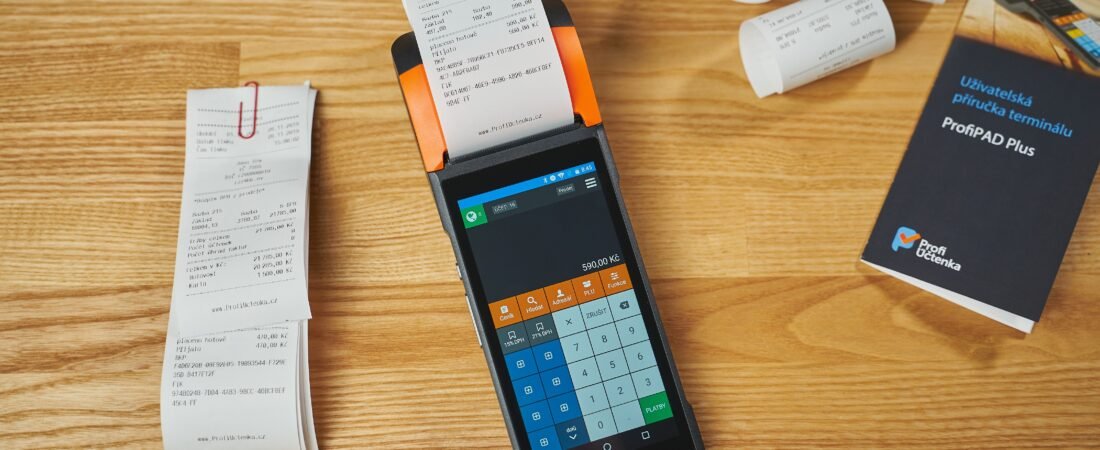
You bought something once, but your banking app appears to show the same charge twice.
Before contacting your bank or disputing the payment, check the status of both transactions carefully.
What looks like a duplicate charge is sometimes just a temporary authorization sitting beside the final transaction. But if both charges have fully posted, you may be dealing with a genuine duplicate payment.
Here is how to tell the difference.
First, Compare the Two Transactions
Open both charges in your banking or card app and compare:
- Merchant name
- Amount
- Transaction date
- Transaction status
- Location, if shown
- Reference or transaction number
Then look at the most important detail:
Are both transactions completed, or is one still pending?
That changes what you should do next.
Three Situations That Can Look Like a Duplicate Charge
One Pending + One Completed
Example:
Restaurant — $42 — Pending
Restaurant — $42 — Posted
This may not be a real double charge.
The pending transaction can be the original authorization, while the posted transaction is the final completed payment.
The pending authorization may disappear after the payment system finishes processing it.
If this is what you see, avoid immediately disputing both transactions.
For more detail, see our guide on why a card payment can stay pending.
Two Completed Charges
Example:
Online Store — $89 — Posted
Online Store — $89 — Posted
If the same merchant, amount, and purchase appear twice as fully completed transactions, this is much more likely to be a genuine duplicate charge.
Payment networks recognize duplicate processing as a legitimate dispute category. Stripe’s dispute documentation, for example, describes duplicate processing as a single transaction being processed more than once using the same payment credential, date, and amount.
Two Different Amounts
Example:
Restaurant — $60
Restaurant — $72
This is not automatically a duplicate.
Possible explanations include:
- A temporary authorization followed by a final amount
- A tip added to a restaurant bill
- A hotel or rental-car authorization
- Multiple purchases from the same merchant
- A partial payment followed by another charge
Check the receipts and transaction details before assuming an error occurred.
Why Can the Same Purchase Be Charged Twice?
If both charges really posted, several things may have happened.
The Payment Was Submitted More Than Once
A payment can occasionally be processed twice because of:
- A checkout system error
- A payment terminal problem
- A merchant accidentally resubmitting the transaction
- A customer retrying after a slow payment screen
- A temporary connection failure during checkout
For example, you may tap Pay, see no confirmation, and tap it again.
If both attempts reach the payment processor, two transactions can potentially be created.
You Retried After an Error Message
Imagine an online checkout says:
Something went wrong. Please try again.
You try a second time and the order succeeds.
The first attempt may have reached the payment system even though the website did not show a successful confirmation.
Before paying again after an error, check:
- Order history
- Confirmation email
- Banking app
- Merchant account page
This becomes particularly important if the first transaction is already pending.
The Merchant Processed the Same Transaction Twice
Sometimes the duplicate originates on the merchant side.
If the amounts, merchant names, and timestamps are almost identical, contact the merchant and ask whether they can see two successful payments for one order.
Having the order number and both transaction amounts ready makes this much easier.
You May Have Made Two Separate Purchases
This sounds obvious, but identical amounts do not automatically mean duplicate billing.
Check whether you:
- Bought the same item twice
- Placed two separate orders
- Paid for two people
- Used the same merchant more than once that day
- Have multiple subscriptions with similar charges
Also remember that the merchant name shown on your statement may differ from the brand name you recognize.
Check Your Receipt Before Contacting Anyone
Find the original:
- Receipt
- Order confirmation
- App order history
Then determine whether you have:
One order + two completed charges
or
Two orders + two completed charges
That distinction can save a lot of time.
If there is only one order but two posted transactions, save screenshots of both transactions.
Should You Contact the Merchant or Bank First?
For a recognizable purchase, contacting the merchant first is often the fastest approach.
Tell them:
I made one purchase, but two completed charges appear on my card. Could you check whether the transaction was processed twice?
Give them:
- Purchase date
- Order number
- Amount
- Last four digits of the card if requested through an official channel
- Screenshot or transaction references if appropriate
Do not send a merchant your full card number, PIN, online banking password, or one-time security code.
What If the Merchant Confirms a Duplicate Charge?
Ask the merchant to reverse or refund the extra transaction.
Keep:
- Refund confirmation
- Case number
- Email correspondence
- Date the refund was initiated
The refund may not appear immediately.
If the merchant has already issued the money back but you still cannot see it, see why a refund may be taking longer than expected.
What If the Merchant Says There Is Only One Charge?
Contact your card issuer.
Give them the details of both transactions and explain that you made only one purchase.
Your card issuer can tell you whether:
- One transaction is only an authorization
- Both payments actually posted
- One is already being reversed
- A billing dispute is appropriate
Use the number on the back of the card or the bank’s official app rather than a phone number from an unexpected message.
When Should You Dispute the Charge?
If both transactions are completed, you made only one purchase, and the merchant cannot resolve the error, contact your card issuer about disputing the duplicate charge.
Rules and deadlines vary by country and card type.
For U.S. credit cards specifically, the Consumer Financial Protection Bureau advises consumers to contact the card company about incorrect charges and explains that a written billing-error notice generally must be sent within 60 calendar days after the charge appeared on the statement to preserve certain federal rights.
That 60-day rule is U.S.-specific, so do not assume the same deadline applies everywhere.
What If You Used a Debit Card?
Act promptly if you believe the second transaction is unauthorized or clearly incorrect.
Debit-card disputes can follow different rules from credit-card billing disputes, and the money may already have reduced your available bank balance.
If you do not recognize one or both transactions at all, contact your bank immediately rather than waiting for the merchant.
For U.S. consumers, the CFPB notes that protections and reporting timelines for unauthorized debit-card or electronic-fund-transfer transactions can depend on how quickly the problem is reported.
What If One Charge Is Still Pending?
Usually, do not treat it as a confirmed duplicate yet.
Example:
| Charge | Status |
|---|---|
| $79 | Posted |
| $79 | Pending |
The pending authorization may disappear.
Monitor it and check whether it becomes:
- Removed
- Reversed
- Completed
If it turns into a second posted transaction, then investigate it as a possible duplicate.
Do Not Keep Retrying the Payment
If checkout is slow or produces an error:
- Stop before pressing Pay again.
- Check your email.
- Check order history.
- Check your banking app.
- Refresh the merchant account page.
- Contact the seller if the order status is unclear.
Repeatedly submitting the payment can make the situation harder to untangle.
What If You Were Charged Twice but Received Two Orders?
Then the issue may not technically be duplicate processing.
The merchant may have received two separate orders.
Contact the seller quickly and ask whether one order can be cancelled or returned according to its normal policy.
That is different from one order being charged twice.
What If You Paid Once by Card and Once Another Way?
You can also have a duplicate-payment problem if you paid the same purchase using two different methods.
For example:
- Credit card + cash
- Card + PayPal
- Two different cards
Payment dispute systems can recognize situations where a cardholder says a transaction had already been paid using another method.
Keep evidence of both payments.
Quick Decision Guide
| What you see | What to do |
|---|---|
| One posted + one pending | Monitor the pending authorization |
| Two identical posted charges | Contact merchant |
| One order + two posted charges | Likely duplicate; investigate |
| Two orders + two charges | Check cancellation/return options |
| Merchant promises refund | Keep confirmation and monitor refund |
| Merchant cannot resolve it | Contact card issuer |
| Charge is unfamiliar | Contact issuer promptly |
| Payment was declined instead | Check the decline reason |
What Evidence Should You Save?
Before contacting the merchant or issuer, save:
- Receipt
- Order number
- Order confirmation email
- Screenshot of both charges
- Transaction dates
- Transaction amounts
- Messages with the merchant
- Refund confirmation if one is issued
Do not post screenshots publicly if they show account or card information.
How to Reduce the Chance of Duplicate Charges
You cannot prevent every payment-processing problem, but you can reduce accidental duplicates.
When paying online:
- Avoid repeatedly clicking the payment button
- Wait for the checkout page to finish
- Check your order history after an error
- Look for a confirmation email before retrying
- Avoid using the browser Back button during payment processing
At a physical terminal, ask the cashier whether the first attempt actually failed before presenting the card again.
FAQ
Why did my card get charged twice for one purchase?
A payment may have been submitted twice, the merchant may have processed it more than once, or one of the transactions may only be a temporary authorization.
Is one pending charge and one completed charge a duplicate?
Not necessarily. The pending transaction may be the original authorization and can disappear after the final charge settles.
How long should I wait before reporting a duplicate charge?
If one charge is still pending, monitor it first unless you do not recognize the transaction. If both are completed and you only made one purchase, contact the merchant promptly.
Can a merchant refund a duplicate card payment?
Yes, if the merchant confirms that an extra payment was processed, it may be able to refund or reverse the extra transaction.
What if the merchant refuses to refund the duplicate?
Contact your card issuer and ask about its billing-error or dispute process.
Should I dispute both charges?
Usually no. One charge represents the legitimate purchase. If there is a genuine duplicate, the dispute would normally concern the extra charge, not both transactions.
*** If your card was rejected instead of charged twice, see Why Was My Card Payment Declined?.