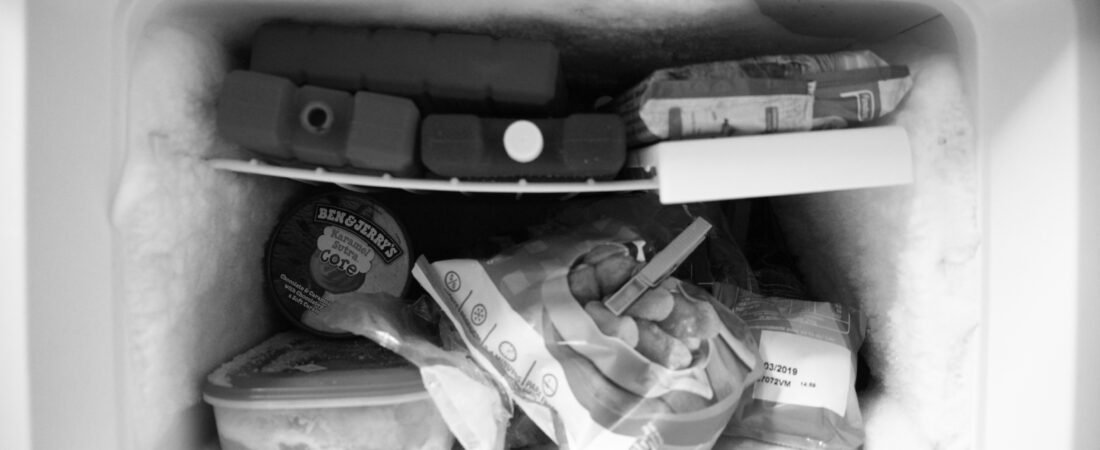
If frost keeps building up inside your refrigerator or freezer, the automatic defrost system may not be working properly.
A defrost problem can reduce airflow, make the refrigerator run longer, and eventually cause cooling problems.
Here are seven common reasons a refrigerator may fail to defrost correctly.
1. The Defrost Heater May Be Faulty
Many frost-free refrigerators use a heater to melt ice from the evaporator coil.
If the heater fails, frost can continue building up until airflow becomes restricted.
Possible signs include:
- Thick frost on the back panel
- Reduced cooling
- Weak airflow
- Refrigerator running for long periods
Testing or replacing the defrost heater usually requires access to internal components.
2. The Defrost Thermostat May Have Failed
The defrost thermostat helps control when the heater operates.
If it fails, the heater may not turn on when needed.
This can lead to repeated frost buildup around the evaporator coil.
A faulty thermostat generally requires electrical testing.
3. The Temperature Sensor May Be Giving Incorrect Readings
Some refrigerators use temperature sensors instead of a traditional thermostat.
If the sensor gives incorrect information to the control system, the refrigerator may not start or stop the defrost cycle properly.
Possible signs include:
- Excess frost
- Temperature fluctuations
- Long cooling cycles
- Inconsistent operation
4. The Defrost Timer May Be Faulty
Some refrigerators use a mechanical or electronic defrost timer.
The timer switches the system between cooling and defrost modes.
If it becomes stuck, the refrigerator may remain in cooling mode and never enter a proper defrost cycle.
5. The Control Board May Have a Problem
Modern refrigerators often use an electronic control board to manage defrosting.
A control board fault can interfere with:
- Defrost timing
- Heater operation
- Temperature sensing
- Fan operation
Control board problems should generally be diagnosed after simpler causes have been ruled out.
6. The Defrost Drain May Be Blocked
During defrosting, melted ice drains through a small opening.
If the drain becomes blocked by:
- Ice
- Food particles
- Dirt
- Debris
water can refreeze and create additional ice buildup.
A blocked drain can also cause water leaks inside or underneath the refrigerator.
7. The Door May Not Be Sealing Properly
Warm, humid air entering through a poor door seal can create excessive frost.
Check the gasket for:
- Cracks
- Tears
- Dirt
- Loose sections
- Gaps around the door
A damaged or dirty seal can make the defrost system work harder than normal.
What Should You Check First?
Before arranging service:
- Check for thick frost buildup
- Inspect the door gasket
- Make sure the door closes completely
- Look for blocked air vents
- Check for water or ice near the defrost drain
- Confirm the refrigerator is still cooling normally
Can You Manually Defrost the Refrigerator?
Temporarily removing the frost may restore airflow, but it does not fix the underlying problem.
If frost repeatedly returns, the defrost system should be inspected.
Avoid using sharp tools to remove ice because they can damage refrigerant lines or internal components.
When Should You Call a Technician?
Consider professional service if:
- Thick frost quickly returns
- Cooling performance is getting worse
- The evaporator fan is blocked by ice
- The defrost heater does not operate
- You suspect a sensor or control board problem
- Water repeatedly freezes around the drain
- The refrigerator runs almost continuously
FAQ
Why does frost keep coming back in my refrigerator?
Repeated frost buildup may indicate a problem with the heater, thermostat, sensor, timer, control board, door seal, or defrost drain.
Can a defrost problem stop a refrigerator from cooling?
Yes. Heavy frost can block airflow and prevent cold air from circulating properly.
Is it safe to remove refrigerator ice with a knife?
No. Sharp tools can damage internal parts, including refrigerant lines.
Can a bad door seal cause excessive frost?
Yes. Warm, humid air entering through a poor seal can increase frost buildup.
Will unplugging the refrigerator fix a defrost problem?
It may temporarily melt the frost, but if a component has failed, the frost will usually return.
*** If frost buildup is affecting cooling, read why your refrigerator is not cooling.
*** If water appears after the ice melts, see why your refrigerator is leaking water.
*** If the refrigerator seems to run almost nonstop, read why your refrigerator is running constantly.
*** If the door is not sealing correctly, see why your refrigerator door is not closing properly.