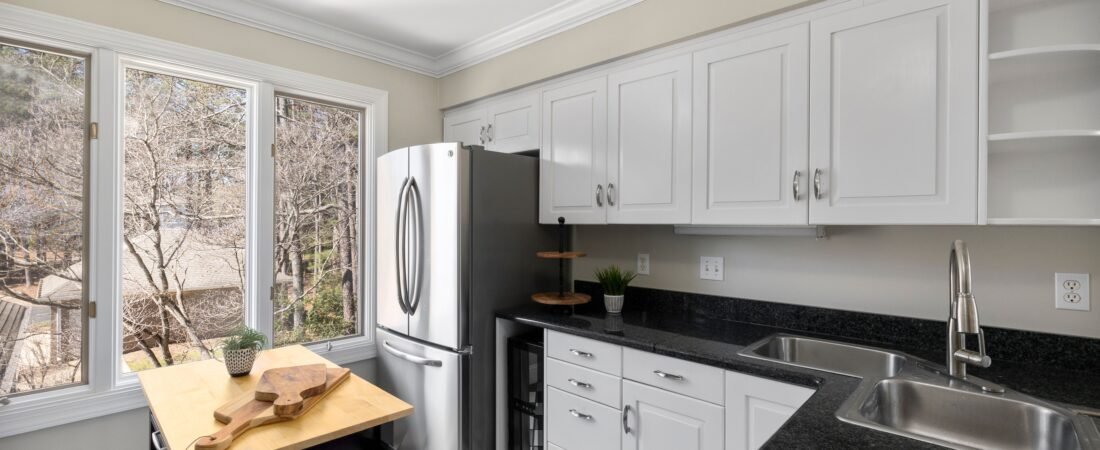
If your refrigerator is running but the food inside is not staying cold, the problem may be caused by something simple such as blocked air vents or incorrect temperature settings.
In other cases, the issue may involve dirty condenser coils, a damaged door seal, fan problems, or a more serious cooling system fault.
Here are seven common reasons a refrigerator may stop cooling properly.
1. Check the Temperature Settings
Start with the simplest possibility.
Make sure the refrigerator temperature has not been accidentally changed.
For most refrigerators, a temperature around 37°F (3°C) is commonly recommended for the fresh-food compartment.
If the setting was recently changed, allow several hours for the refrigerator temperature to stabilize.
Also check whether the control panel has been placed in a special mode such as:
- Vacation mode
- Demo mode
- Energy-saving mode
These settings may affect cooling performance.
2. Make Sure the Air Vents Are Not Blocked
Cold air needs to circulate throughout the refrigerator.
If food containers are pushed directly against the vents, airflow may be restricted.
Check that:
- Air vents are not covered
- Food is not packed too tightly
- There is space for air to circulate
- Large containers are not blocking the back wall
Poor airflow can cause some areas of the refrigerator to become much warmer than others.
3. Check the Door Seal
The rubber gasket around the refrigerator door helps keep cold air inside.
If the seal is damaged, dirty, or loose, warm air can enter continuously.
Look for:
- Cracks
- Tears
- Food debris
- Gaps between the gasket and cabinet
- Areas where the gasket has pulled away
Clean the gasket with mild soap and water.
If the door does not seal properly after cleaning, the gasket may need replacement.
4. The Condenser Coils May Be Dirty
Many refrigerators use condenser coils to release heat.
Dust, pet hair, and debris can build up around the coils and reduce cooling efficiency.
Depending on the refrigerator design, the coils may be:
- Behind the refrigerator
- Underneath the unit
- Behind a lower front panel
Unplug the refrigerator before cleaning accessible coils.
Use a soft brush or vacuum carefully and avoid damaging electrical components.
5. The Condenser Fan May Not Be Working
Some refrigerators use a fan near the condenser coils.
This fan helps move heat away from the refrigeration system.
If the fan stops working, the refrigerator may struggle to cool.
Possible signs include:
- Refrigerator running for long periods
- Cabinet sides feeling unusually warm
- Weak cooling
- Little or no fan noise near the compressor area
If the fan is blocked by debris, cleaning may help.
A damaged fan motor may require professional repair.
6. The Evaporator Fan May Have a Problem
The evaporator fan circulates cold air from the freezer into the refrigerator compartment.
If the fan is not working properly, the freezer may still feel cold while the refrigerator section becomes warm.
Possible signs include:
- Freezer is cold but refrigerator is warm
- Little airflow from refrigerator vents
- Unusual fan noises
- Cooling becomes uneven
Evaporator fan access varies by refrigerator model and may require disassembly.
7. The Refrigerator May Have a Cooling System Problem
If basic checks do not solve the problem, there may be an issue with:
- Compressor
- Start relay
- Temperature sensor
- Control board
- Refrigerant system
These problems usually require professional diagnosis.
Do not attempt sealed refrigerant system repairs unless you are properly trained and authorized.
What Should You Check First?
Before arranging a repair, check:
- Temperature setting
- Door closes completely
- Door gasket is clean
- Air vents are open
- Refrigerator is not overloaded
- Condenser coils are clean
- Fans appear to be operating
Also make sure the refrigerator has enough space around it for proper ventilation.
When Should You Call a Technician?
Consider professional service if:
- Refrigerator remains warm after basic checks
- Compressor does not appear to run
- Fans are not operating
- Refrigerator repeatedly turns on and off
- You hear unusual clicking or buzzing
- Freezer and refrigerator are both warm
- Cooling suddenly stops completely
Food Safety
If the refrigerator is not maintaining a safe temperature, perishable food may become unsafe.
When in doubt, follow local food safety guidance regarding how long refrigerated food can remain above safe temperatures.
Do not rely only on how the food looks or smells.
FAQ
Why is my refrigerator running but not getting cold?
Common causes include blocked airflow, dirty condenser coils, a damaged door seal, fan problems, or a cooling system fault.
Why is my freezer cold but the refrigerator warm?
A blocked vent or evaporator fan problem may prevent cold air from reaching the refrigerator compartment.
Can dirty condenser coils stop a refrigerator from cooling?
Yes. Heavy dust buildup can reduce the refrigerator’s ability to release heat and lower its cooling efficiency.
How long should I wait after changing the refrigerator temperature?
It may take several hours for the temperature inside the refrigerator to stabilize after adjusting the setting.
Should I unplug a refrigerator that is not cooling?
If you notice electrical problems, burning smells, unusual noises, or overheating, unplug the unit and seek professional service.
*** If your refrigerator has also become unusually noisy, see why your refrigerator is making noise